1. What is a fuel tanker trailer for sale in Zambia?
2. How does a fuel tanker work?
3.How much fuel does a fuel tanker carry?
4. What Material is a Fuel Tanker Trailer for Sale in Zambia?
In the landlocked country of Zambia, fuel tanker trailers play a vital role in the transportation and distribution of petroleum products. These specialized trailers are designed to securely and efficiently transport large quantities of fuel from refineries or storage facilities to various destinations across the country. This article delves into the features, importance, and considerations surrounding fuel tanker trailers for sale in Zambia.
Key Features of Fuel Tanker Trailers
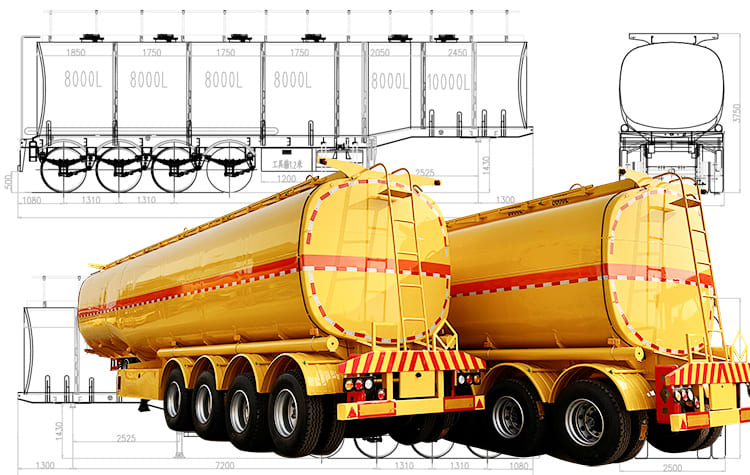
1. Capacity: Fuel tanker trailers come in various capacities to meet different transportation needs. Capacities can range from around 5,000 to 60,000 liters or more, depending on the specific requirements of the buyer.
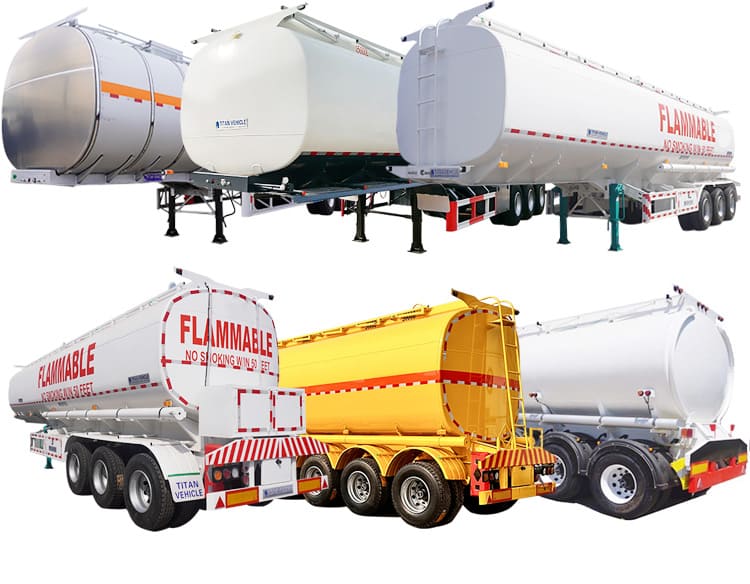
2. Construction: These trailers are typically constructed using high-quality materials such as aluminum or stainless steel. These materials offer durability, resistance to corrosion, and compliance with safety standards for the transportation of flammable liquids.
3. Compartments: Fuel tanker trailers are designed with multiple compartments to facilitate the transportation of different types of fuel simultaneously. These compartments are essential for efficiently delivering different grades of gasoline, diesel, or other petroleum products.
4. Safety Measures: Given the hazardous nature of fuel transportation, safety features are of utmost importance. Fuel tanker trailers are equipped with various safety measures, including emergency shut-off valves, pressure relief vents, rollover protection systems, and fire suppression systems to mitigate the risks associated with fuel transportation.
What is a fuel tanker trailer for sale in Zambia?
Importance of Fuel Tanker Trailers in Zambia
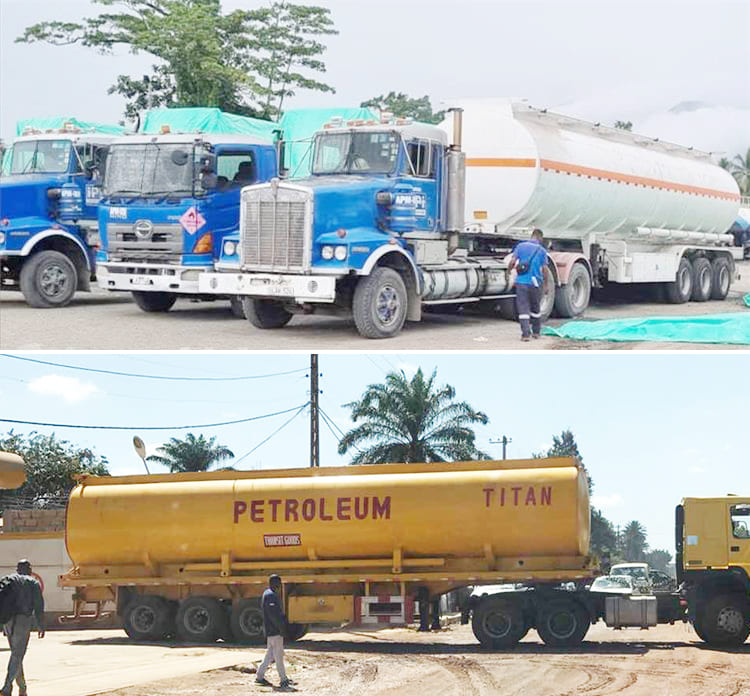
5. Efficient Fuel Distribution: Fuel tanker trailers enable the efficient distribution of petroleum products across the vast territories of Zambia. They ensure a consistent and reliable supply of fuel to meet the energy needs of industries, businesses, and consumers throughout the country.
6. Economic Growth: A well-developed transportation infrastructure, including fuel tanker trailers, is crucial for the economic growth of a country. By facilitating the transportation of fuel, these trailers support various industries, including agriculture, mining, construction, and transportation itself, enabling them to operate smoothly and contribute to Zambia's economic development.
7. Job Creation: The fuel transportation industry, including the operation and maintenance of fuel tanker trailers, provides employment opportunities for a significant number of individuals. It plays a crucial role in generating jobs, especially for truck drivers, mechanics, and logistics personnel.
Considerations for Purchasing Fuel Tanker Trailers
1. Compliance with Standards: When considering the purchase of a fuel tanker trailer in Zambia, it is essential to ensure that the trailer complies with relevant safety and quality standards. This includes adherence to national regulations and standards for fuel transportation, as well as international standards such as ISO 9001 and ISO 14001.
2. Maintenance and Service: A reliable after-sales service and maintenance support are crucial factors to consider when purchasing a fuel tanker trailer. Regular maintenance, inspections, and repairs are essential to ensure the safe operation and longevity of the trailer.
3. Supplier Reputation: It is advisable to purchase fuel tanker trailers from reputable suppliers or manufacturers known for their quality products and reliable customer service. Researching the supplier's track record, customer reviews, and warranty policies can help make an informed decision.
What is a fuel tanker trailer for sale in Zambia?
Fuel tanker trailers are indispensable assets in the transportation industry, particularly for the distribution of petroleum products in Zambia. These trailers ensure the efficient and safe transportation of fuel, supporting economic growth and providing employment opportunities. When purchasing a fuel tanker trailer, it is crucial to consider factors such as compliance with safety standards, maintenance and service support, and the reputation of the supplier. By investing in reliable and high-quality fuel tanker trailers, Zambia can continue to meet its energy needs and foster economic development.
In Zambia, a landlocked country heavily reliant on imported fuel, the efficient operation of fuel tankers is essential for maintaining a reliable supply of petroleum products. These specialized vehicles are designed to transport large quantities of fuel from refineries or storage facilities to distribution points across the country. In this article, we will explore how fuel tankers work in Zambia, highlighting their key components and the processes involved in ensuring the safe and efficient transportation of fuel.
Key Components of a Fuel Tanker
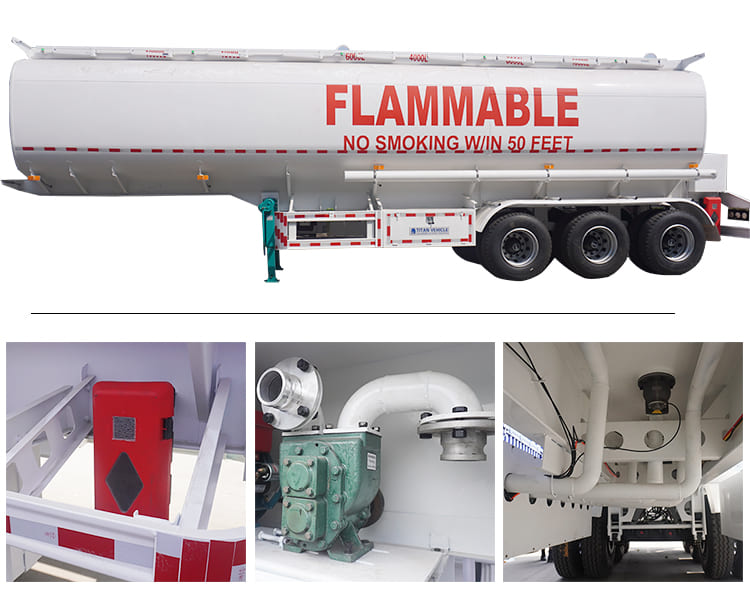
1. Tank Compartment: Fuel tankers feature multiple compartments designed to transport different types of fuel simultaneously. These compartments are built to strict safety standards and are equipped with baffles to prevent fuel surge during transportation, ensuring stability and minimizing the risk of accidents.
2. Pumping System: Fuel tankers are equipped with pumping systems that allow for the loading and offloading of fuel. These systems consist of pumps, valves, and meters that enable controlled flow and accurate measurement of the fuel being transferred. The pumping system ensures efficient and precise delivery, adhering to specific customer requirements and regulatory standards.
3. Safety Features: Fuel tankers are equipped with a range of safety features to mitigate potential hazards associated with fuel transportation. These include emergency shut-off valves, pressure relief vents, and rollover protection systems. Fire suppression systems and grounding devices are also installed to prevent accidents and protect against fire or electrostatic discharge.
How does a fuel tanker work in Zambia?
Fuel Tanker Operation in Zambia
1. Loading at Refineries or Storage Facilities: The fuel tanker is positioned near loading racks at refineries or storage facilities. The compartments are opened, and the pumping system is engaged to load the desired fuel types and quantities into the compartments. Proper procedures are followed to ensure accurate measurement, and safety protocols are strictly adhered to during the loading process.
2. Transportation: Once loaded, the fuel tanker embarks on its journey to the designated destination. The driver operates the vehicle while adhering to road safety regulations and driving practices specific to transporting hazardous materials. Fuel tankers often travel in convoys for added security and to facilitate efficient delivery.
3. Offloading at Distribution Points: Upon arrival at distribution points, the fuel tanker is carefully positioned for offloading. The pumping system is activated to transfer the fuel from the compartments to storage tanks or directly into customers' containers. Again, proper measurement and safety protocols are followed during the offloading process.
Safety and Regulatory Considerations
Fuel transportation is a highly regulated activity, and fuel tankers must adhere to stringent safety and environmental standards in Zambia. The country has established regulations governing the transport of hazardous materials, including fuel, to ensure the safety of both the public and the environment. These regulations cover aspects such as vehicle design and construction, driver qualifications, emergency response procedures, and spill prevention measures.
Fuel companies and tanker operators in Zambia must comply with these regulations and undertake regular maintenance, inspections, and training to ensure the safe operation of fuel tankers. Furthermore, they must keep abreast of any changes or updates to regulations and implement necessary measures accordingly.
How does a fuel tanker work in Zambia?
Fuel tankers are crucial to maintaining a steady and reliable supply of petroleum products in Zambia. These specialized vehicles incorporate various components and safety features to ensure the safe and efficient transportation of fuel from refineries or storage facilities to distribution points. Adhering to stringent safety regulations, including proper loading and offloading procedures, helps minimize risks associated with fuel transportation. By understanding how fuel tankers work and prioritizing safety measures, Zambia can continue to maintain a robust fuel supply chain, supporting economic growth and meeting the energy needs of its industries and citizens.
Fuel tankers play a critical role in transporting fuel from refineries to various destinations, ensuring a steady supply of gasoline, diesel, and other petroleum products. These mammoth vehicles are designed to transport substantial quantities of fuel efficiently and safely. But have you ever wondered just how much fuel a fuel tanker can carry? In this article, we delve into the capacity of fuel tankers and explore the factors that influence their load.
Understanding Fuel Tanker Capacities: Fuel tankers come in various sizes and configurations, with their capacities tailored to meet specific transportation requirements. The capacity of a fuel tanker is measured in terms of volume, typically expressed in gallons or liters. Tanker capacities can range from a few thousand gallons to several thousand gallons, depending on their size and purpose.
Factors Influencing Fuel Tanker Capacities: Several factors determine the capacity of a fuel tanker. Here are some key considerations:
1. Truck Size and Configuration: Fuel tankers are available in different sizes and configurations, including standard trucks, semi-trailers, and articulated vehicles. Larger tankers can accommodate more fuel due to their increased dimensions, allowing for higher storage volumes. The size of the truck and its accompanying trailer(s) directly influences the overall fuel carrying capacity.
2. Legal Restrictions and Regulations: Each country or region has its own set of regulations governing the transportation of hazardous materials, including fuel. These regulations often specify the maximum load limits for fuel tankers, ensuring safety on the roads. Tanker capacities are designed to comply with these legal restrictions, ensuring that the vehicle remains within the permissible weight limits.
3. Compartmentalization: Fuel tankers are often divided into compartments to carry different types of fuel or to segregate various grades or octane ratings. This compartmentalization allows for efficient and organized transportation of multiple products in a single trip. Each compartment within the tanker contributes to the overall carrying capacity.
4. Safety Considerations: Safety is of paramount importance when transporting fuel. Tankers are designed with safety features such as baffles and surge control systems to prevent sloshing and maintain stability during transit. These safety considerations can affect the overall capacity of the tanker, as space is allocated to ensure the fuel remains secure and avoids hazardous situations.
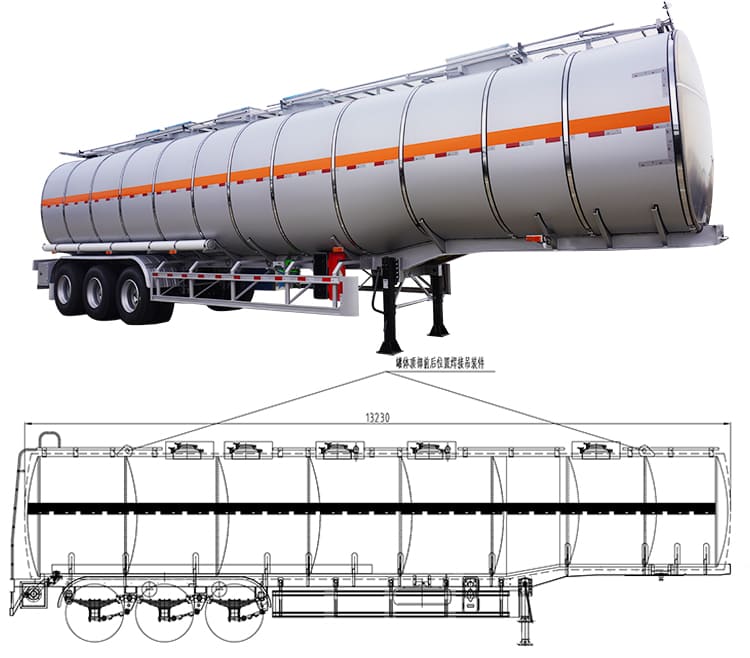
How much fuel does a fuel tanker carry?
Common Capacities of Fuel Tankers: While capacities can vary, let's look at some general ranges for different types of fuel tankers:
1. Small Tankers: Small fuel tankers, often used for local deliveries or in areas with restricted access, typically have capacities ranging from 1,000 to 3,000 gallons (3,785 to 11,356 liters).
2. Medium Tankers: Medium-sized tankers commonly found on highways and used for regional fuel distribution typically carry around 5,000 to 10,000 gallons (18,927 to 37,854 liters) of fuel.
3. Large Tankers: Large fuel tankers used for long-haul transportation and supplying fuel to major cities or airports can have capacities ranging from 10,000 to 30,000 gallons (37,854 to 113,562 liters) or more.
Fuel tankers are vital in ensuring the uninterrupted supply of fuel from refineries to various destinations. Their capacities depend on factors such as truck size, legal restrictions, compartmentalization, and safety considerations. While small tankers may carry around 1,000 to 3,000 gallons, large tankers can transport 10,000 to 30,000 gallons or more. These variations allow for efficient and safe transportation, ensuring that fuel reaches its intended destinations reliably and in the required quantities.
Fuel tanker trailers are essential in the transportation and distribution of fuel, playing a crucial role in ensuring a steady supply to various locations. These trailers come in different materials, each offering unique properties and advantages. In Zambia, fuel tanker trailers are typically available in three primary materials: carbon steel, stainless steel, and aluminum steel. In this article, we will explore these materials and their suitability for fuel transportation applications in Zambia.
Carbon Steel Tanker Trailers: Carbon steel is a popular choice for fuel tanker trailers due to its strength, durability, and cost-effectiveness. It is a composite of iron and carbon, with other alloying elements added to enhance its properties. Carbon steel offers excellent resistance to impact and structural integrity, making it suitable for heavy-duty applications.
Advantages:
Cost-effective: Carbon steel is relatively inexpensive compared to other materials, making it an affordable option for fuel tanker trailers.
Strength and durability: Carbon steel provides excellent structural strength and durability, ensuring the trailer can withstand the rigors of transportation.
Wide availability: Carbon steel is widely available, making it easily accessible for fuel transportation needs.
Considerations:
Corrosion susceptibility: Carbon steel is susceptible to corrosion, especially when exposed to moisture or certain chemicals. Regular maintenance, including protective coatings and corrosion prevention measures, is necessary to ensure its longevity.
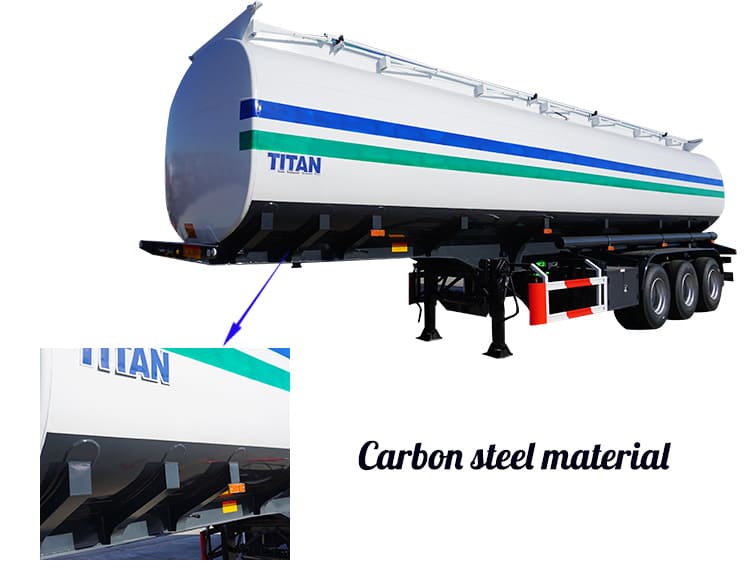
Carbon Steel Material Of Fuel Tanker Trailer For Sale In Zambia
Stainless Steel Tanker Trailers: Stainless steel is another material commonly used in fuel tanker trailers, known for its excellent corrosion resistance and durability. It is an alloy of iron, chromium, and other elements, offering superior protection against rust and chemical degradation.
Advantages:
Corrosion resistance: Stainless steel is highly resistant to corrosion, making it ideal for transporting corrosive fuels or operating in environments with high humidity or exposure to chemicals.
Longevity: Stainless steel trailers have a longer service life compared to carbon steel, reducing maintenance and replacement costs over time.
Hygienic properties: Stainless steel is easy to clean and sanitize, making it suitable for transporting sensitive fuels and maintaining cleanliness.
Considerations:
Higher cost: Stainless steel is more expensive than carbon steel, resulting in higher upfront costs for the trailer.
Weight: Stainless steel is heavier than carbon steel, which may affect fuel efficiency and payload capacity.
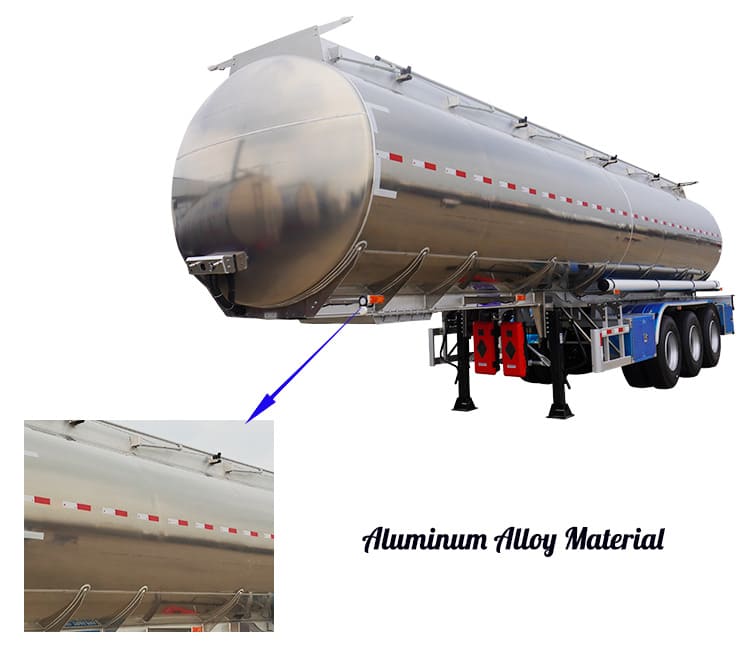
Aluminum Alloy Material Of Fuel Tanker Trailer For Sale In Zambia
Aluminum Steel Tanker Trailers: Aluminum steel, or simply aluminum, is a lightweight material known for its strength-to-weight ratio. It is commonly used in industries where weight reduction is crucial, such as aerospace and automotive sectors.
Advantages:
Lightweight: Aluminum is significantly lighter than both carbon steel and stainless steel, leading to increased fuel efficiency and higher payload capacity.
Corrosion resistance: Aluminum has a natural oxide layer that provides excellent resistance against corrosion, contributing to the longevity of the trailer.
Aesthetic appeal: Aluminum trailers often have a sleek and modern appearance, enhancing the overall visual appeal.
Considerations:
Cost: Aluminum is more expensive than carbon steel and stainless steel, making it a higher-cost option for fuel tanker trailers.
Strength: While aluminum is strong, it is not as robust as steel. Extra care is required to ensure the trailer can withstand heavy loads and potential impacts.
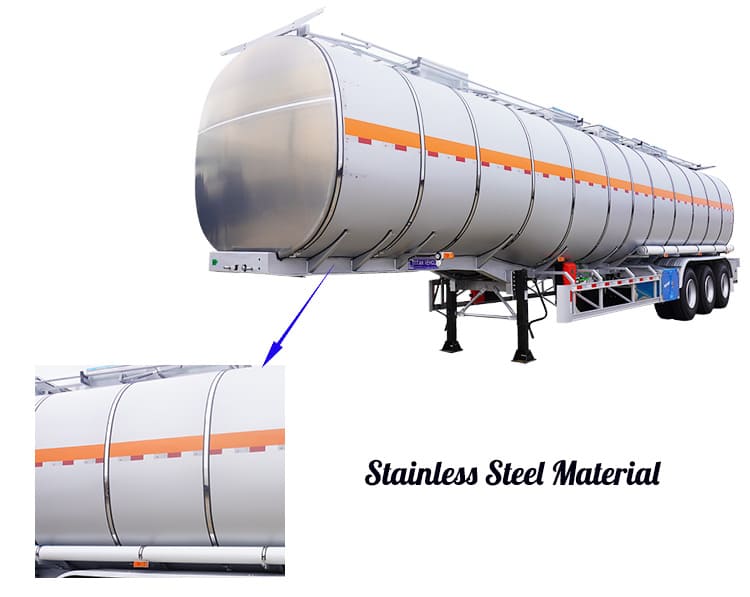
Stainless Steel Material Of Fuel Tanker Trailer For Sale In Zambia
Fuel tanker trailers in Zambia are commonly available in carbon steel, stainless steel, and aluminum steel variants. Carbon steel offers strength and cost-effectiveness, while stainless steel provides superior corrosion resistance and longevity. Aluminum steel trailers offer reduced weight and enhanced fuel efficiency. The choice of material depends on factors such as the type of fuel being transported, operating conditions, and budget considerations. Ultimately, selecting the right material ensures safe and efficient fuel transportation in Zambia's dynamic market.